Publications

Declan Kutscher, David M. Chan, Yutong Bai, Trevor Darrell, Ritwik Gupta
We show that long sequence models are sensitive to the order of patches provided to them, affecting performance by as much as 13%. We propose REOrder, an information-theoretic and RL-based approach to learning an optimal patch ordering to improve performance.
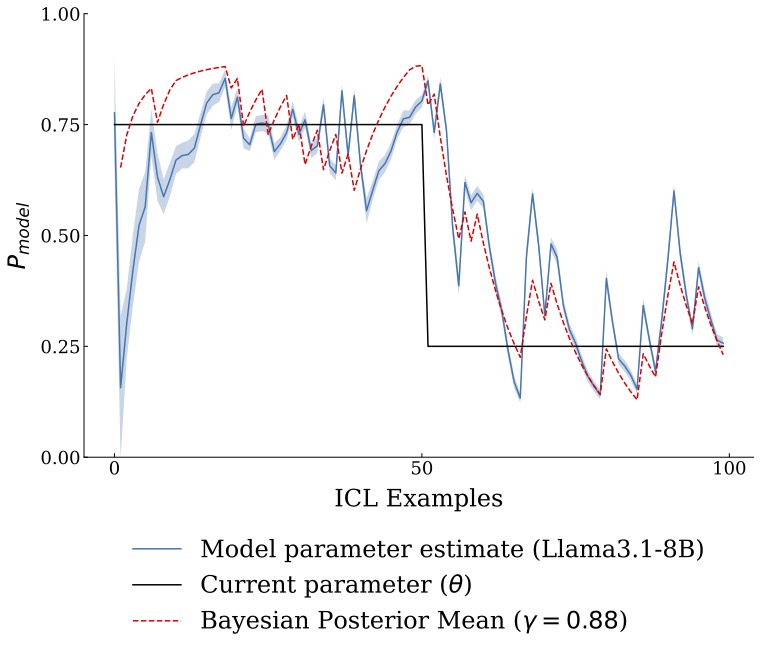
Ritwik Gupta, Rodolfo Corona, Jiaxin Ge, Eric Wang, Dan Klein, Trevor Darrell, David M. Chan
Can LLMs accurately represent probabilities? We find in this work, no! By using biased coin flips as a simple but powerful exemplar, we show that in-context learning can be used to induce semi-accurate probability simulation in LLMs.

Ritwik Gupta, Andrew Reddie
Senator Hawley’s new bill seeks to cut U.S. AI ties with China but risks stifling innovation and hurting U.S. technical dominance instead.

Ritwik Gupta, Leah Walker, Andrew W. Reddie
We give the first, public evidence as to how leading PRC AI labs are effectively circumventing U.S. semiconductor export controls through better software. We question the basis and efficacy of the current export control regime.
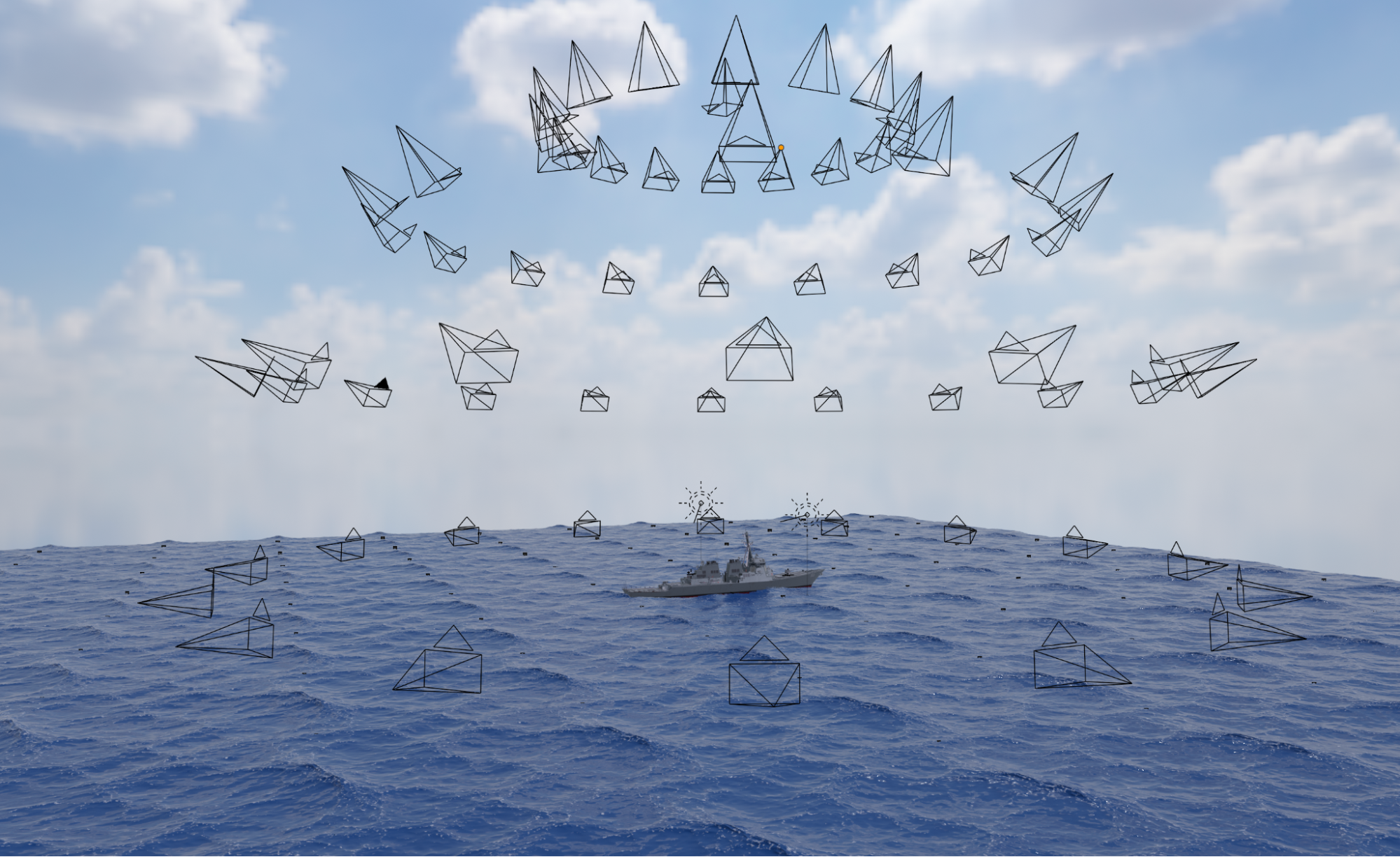
Ritwik Gupta, Leah Walker, Eli Glickman, Raine Koizumi, Sarthak Bhatnagar, Andrew W. Reddie
China is training machine learning models to target American and Allied navel vessels, but how well do they work? In this paper, we train a state-of-the-art machine learning model on a leaked Chinese dataset that labels Aegis combat system components on military vessels. We propose a new methodology for open source assessment of adversary AI capabilities.
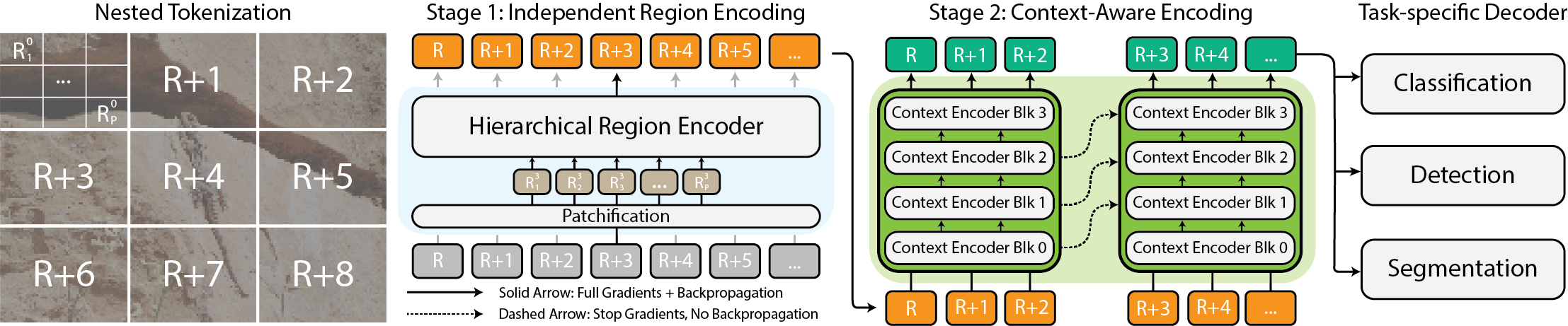
Ritwik Gupta*, Shufan Li*, Tyler Zhu*, Jitendra Malik, Trevor Darrell, Karttikeya Mangalam
xT is a framework which lets you model extremely large images (upwards of 30,000 x 30,000 pixels) end-to-end on contemporary GPUs. You get higher accuracy with fewer parameters and less memory used per region.
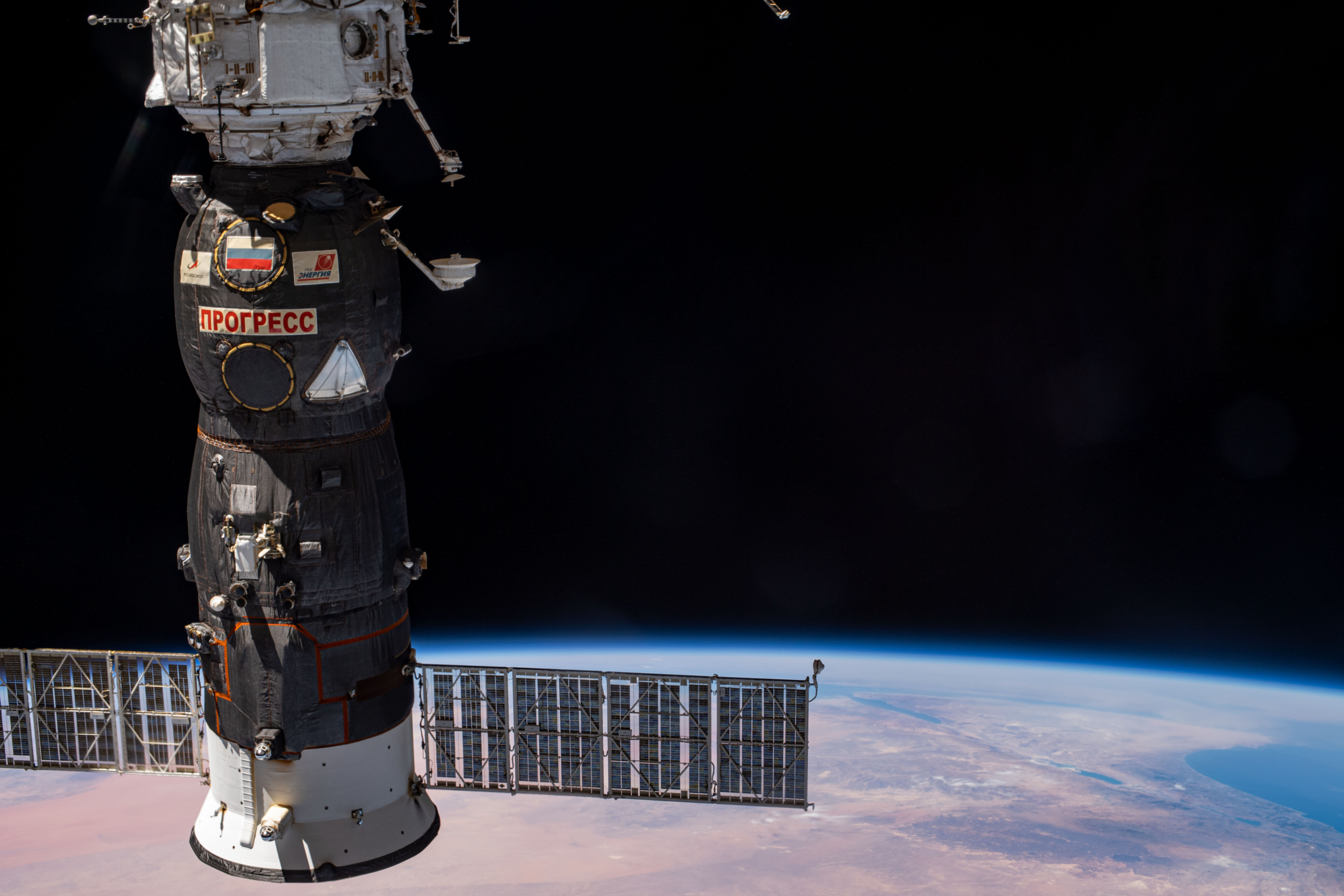
Sarthak Bhatnagar, Eli Glickman, Bethany Goldblum, Ritwik Gupta, Kaitlyn Lenkeit, Jane Darby Menton, Andrew Neciuk, Andrew Reddie, Vishwaa Sofat, Leah Walker
What is the state of the existing space governance regime amid concerns that Moscow is developing a nuclear-tipped anti-satellite weapon in orbit?

Ritwik Gupta
I examined the challenges in preventing AI-generated Child Sexual Abuse Material (CSAM), such as within the widely-used LAION-5B dataset, emphasizing the need for updated legal and technological strategies to tackle the spread of such content by generative AI technologies.
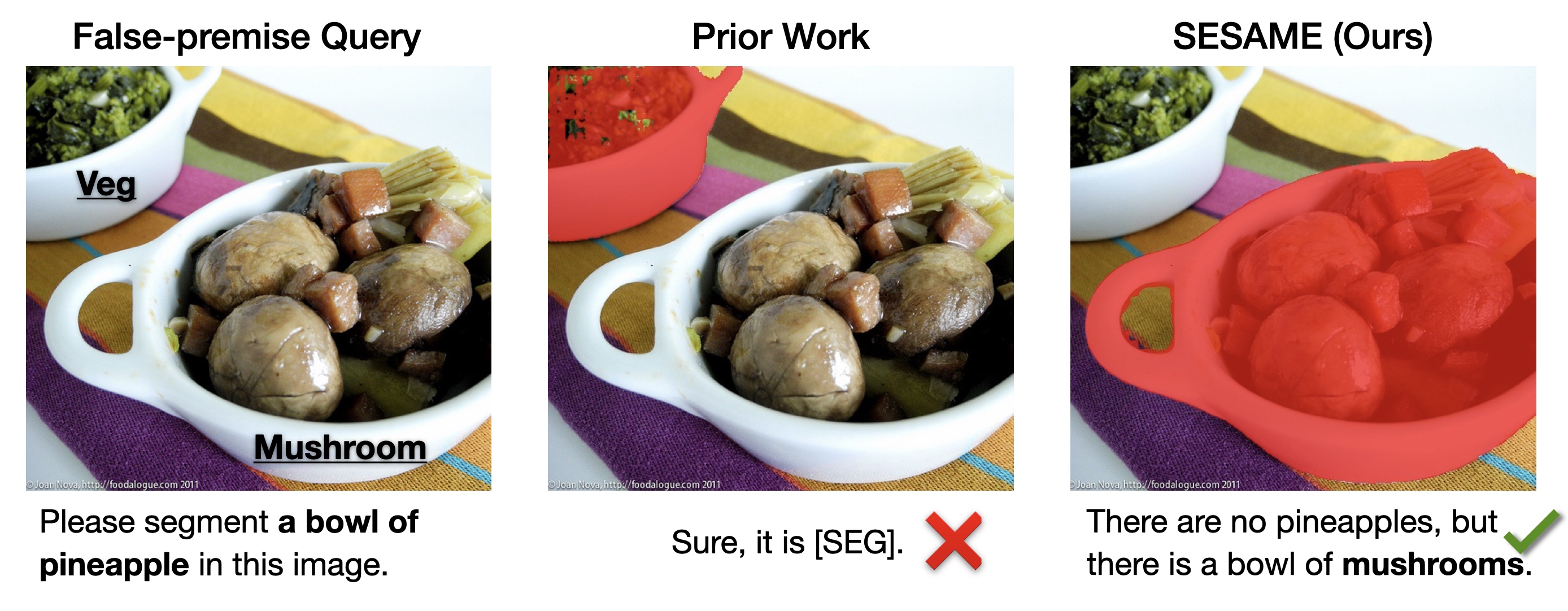
Tsung-Han Wu, Giscard Biamby, David Chan, Lisa Dunlap, Ritwik Gupta, Xudong Wang, Joseph E. Gonzalez, Trevor Darrell
A method to prevent large, multimodal models (LMMs) to stop hallucinating when given false premises.
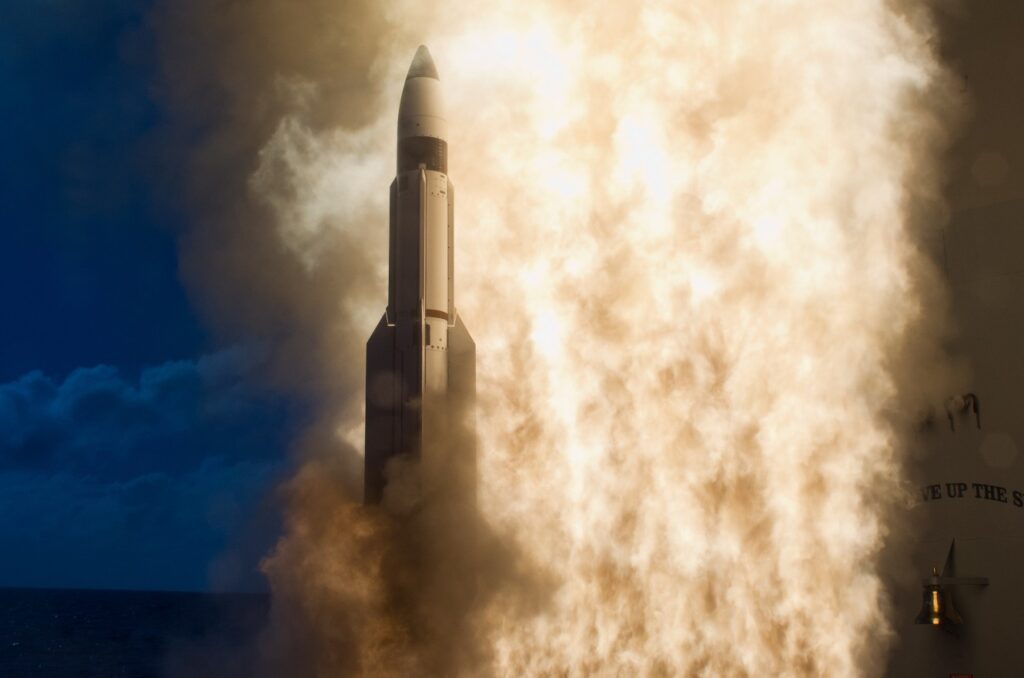
Ritwik Gupta, Andrew W. Reddie
We analyze how the emerging responsive launch industry fundamentally shifts the strategic calculus of ASAT weapons.

Ritwik Gupta, Andrew W. Reddie
Current US AI hardware export controls are based on the best AI accelerator chip available at that time. This presents wide loopholes which allow adversarial nations to still maintain their capabilities. We propose an alternate way to set export control thresholds based on the analysis of specific ML workloads.
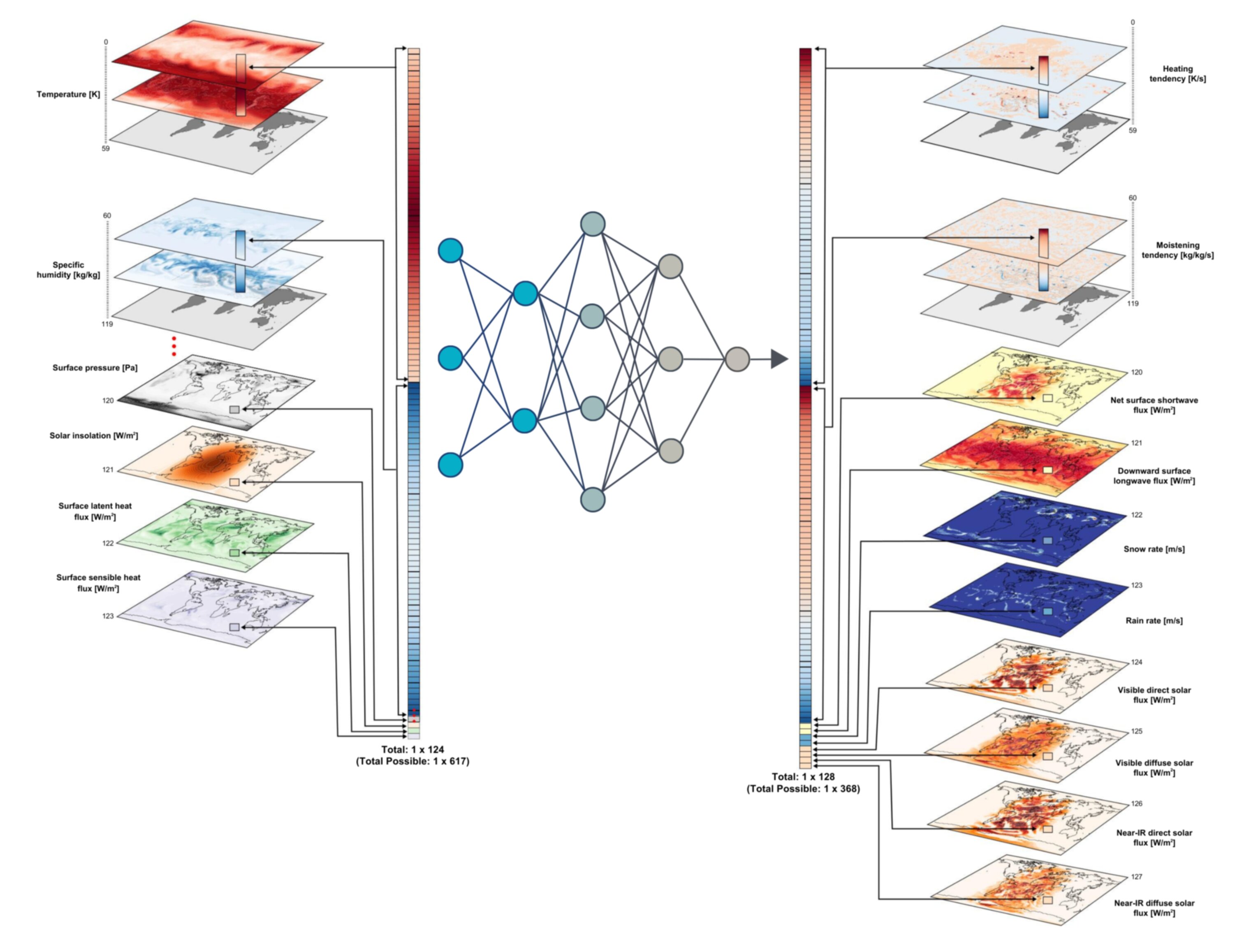
Sungduk Yu, Walter M. Hannah, Liran Peng, Mohamed Aziz Bhouri, Ritwik Gupta, Jerry Lin, Björn Lütjens, Justus C. Will, Tom Beucler, Bryce E. Harrop, Benjamin R. Hillman, Andrea M. Jenney, Savannah L. Ferretti, Nana Liu, Anima Anandkumar, Noah D. Brenowitz, Veronika Eyring, Pierre Gentine, Stephan Mandt, Jaideep Pathak, Carl Vondrick, Rose Yu, Laure Zanna, Ryan P. Abernathey, Fiaz Ahmed, David C. Bader, Pierre Baldi, Elizabeth A. Barnes, Gunnar Behrens, Christopher S. Bretherton, Julius J. M. Busecke, Peter M. Caldwell, Wayne Chuang, Yilun Han, Yu Huang, Fernando Iglesias-Suarez, Sanket Jantre, Karthik Kashinath, Marat Khairoutdinov, Thorsten Kurth, Nicholas J. Lutsko, Po-Lun Ma, Griffin Mooers, J. David Neelin, David A. Randall, Sara Shamekh, Akshay Subramaniam, Mark A. Taylor, Nathan M. Urban, Janni Yuval, Guang J. Zhang, Tian Zheng, Michael S. Pritchard
The largest-ever dataset designed for hybrid ML-physics research. It comprises multi-scale climate simulations, developed by a consortium of climate scientists and ML researchers.
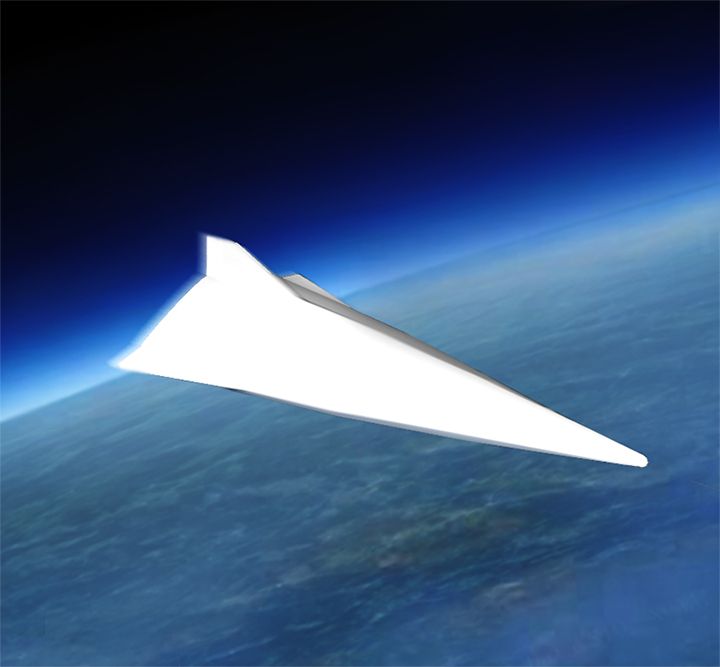
Ritwik Gupta
We assess that China's development of a fractional orbital hypersonic delivery system, combining hypersonic glide vehicles with orbital bombardment, presents a concerning challenge to global stability, allowing for faster, undetectable delivery of large nuclear payloads and signaling renewed interest in first-strike capabilities.
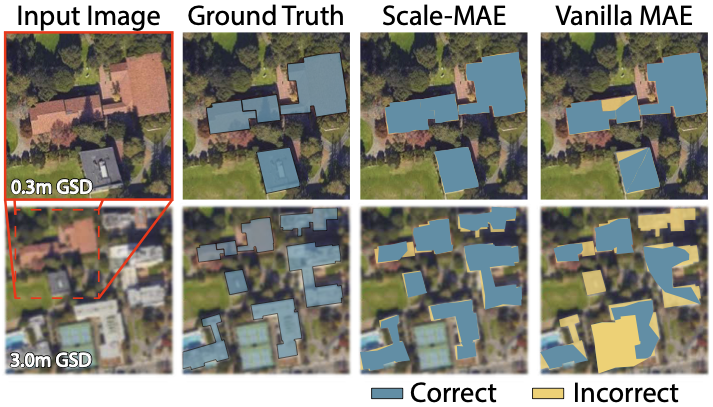
Ritwik Gupta*, Colorado Reed*, Shufan Li*, Sarah Brockman, Christopher Funk, Brian Clipp, Kurt Keutzer, Salvatore Candido, Matt Uyttendaele, Trevor Darrell
A pre-training method to make encoders robust to imagery captured at varying satellite resolutions. State-of-the-art multi-scale pre-training method and the largest satellite imagery foundation model, to date.
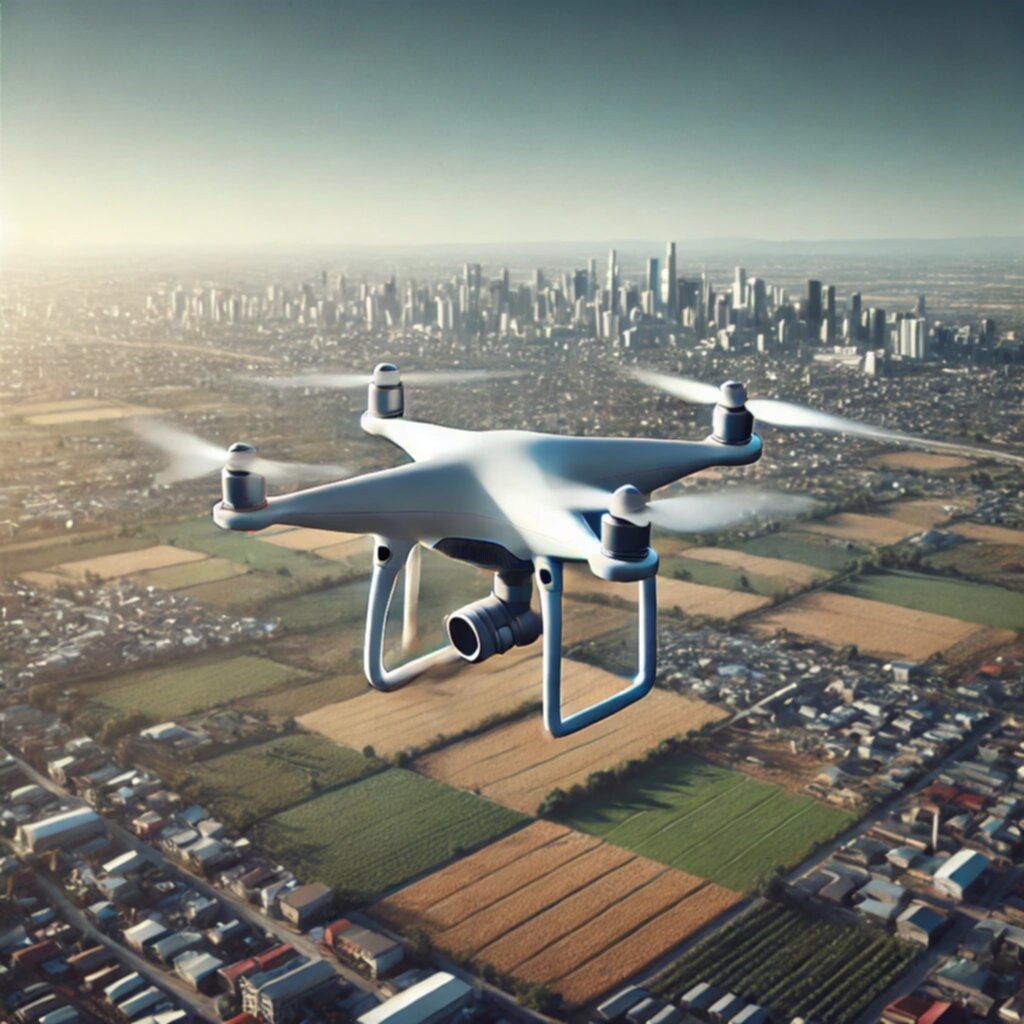
Ritwik Gupta, Alexander Bayen, Sarah Rohrschneider, Adrienne Fulk, Andrew Reddie, Sanjit A. Seshia, Shankar Sastry, Janet Napolitano
With the meteoric rise of small unmanned aerial systems, we discuss policy shortcomings in integrating sUAS technology in a safe fashion into our society. We suggest technology and policy co-design approaches to addressing these gaps in our systems.
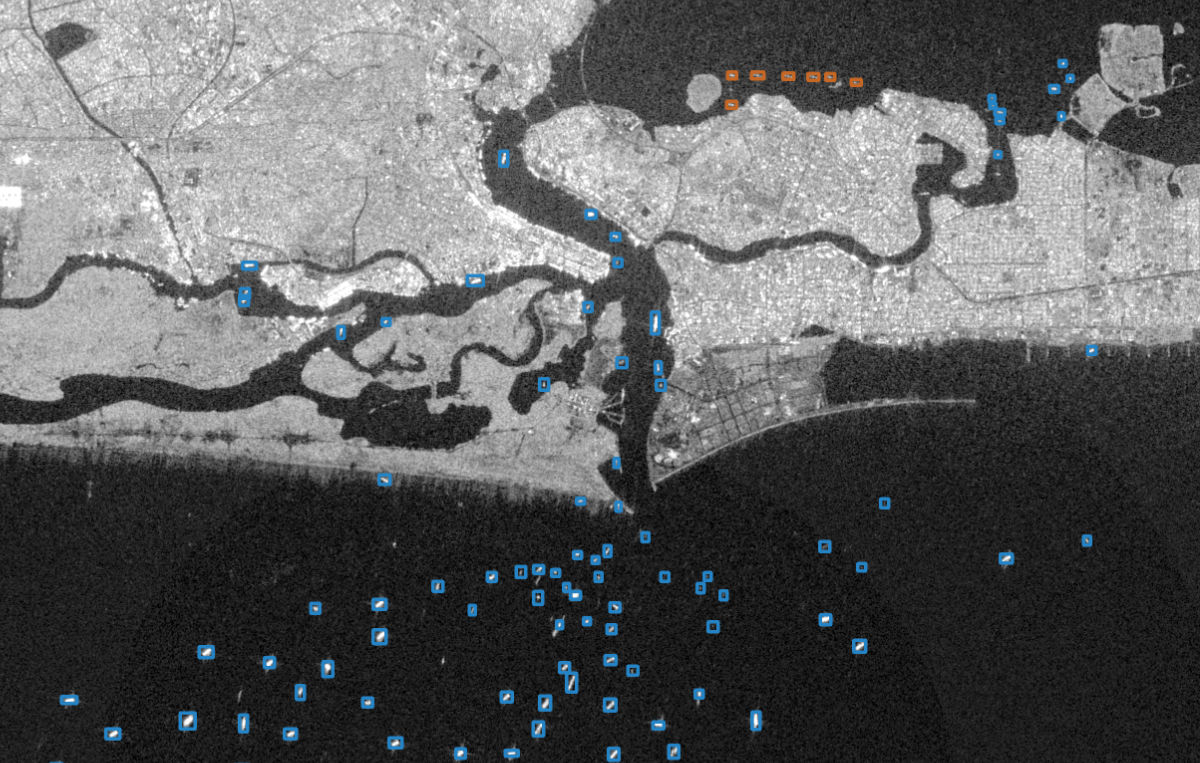
Ritwik Gupta*, Fernando Paolo*, Tsu-ting Tim Lin*, Bryce Goodman, Nirav Patel, Daniel Kuster, David Kroodsma, Jared Dunnmon
The largest labeled dataset for training ML models to detect and characterize vessels and ocean structures in synthetic aperture radar imagery. xView3 is built to help control illegal, unreported, and unregulated fishing.
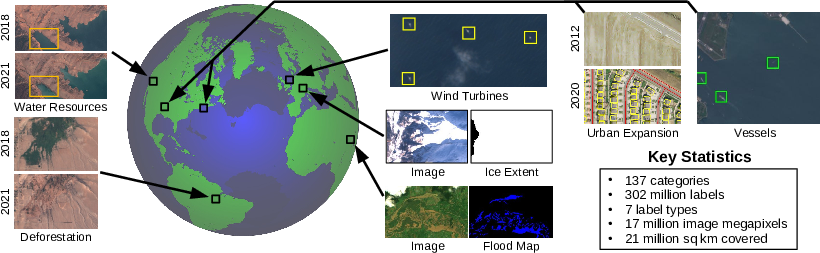
Favyen Bastani, Piper Wolters, Ritwik Gupta, Joe Ferdinando, Aniruddha Kembhavi
A foundational remote sensing dataset with over 290M labels under 137 categories and seven label modalities for pre-training large machine learning models.
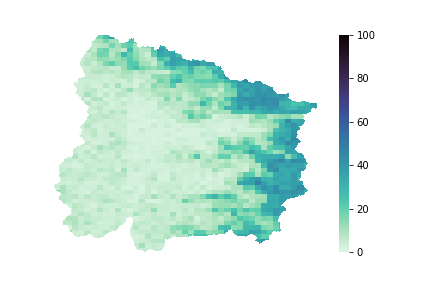
Malachy Moran, Kayla Woputz, Derrick Hee, Manuela Girotto, Paolo D'Odorico, Ritwik Gupta, Daniel Feldman, Puya Vahabi, Alberto Todeschini, Colorado J Reed
We fuse satellite and weather data to estimate snowpack depth in key mountainous regions and beat single-source estimation by 5.0 inches RMSE.
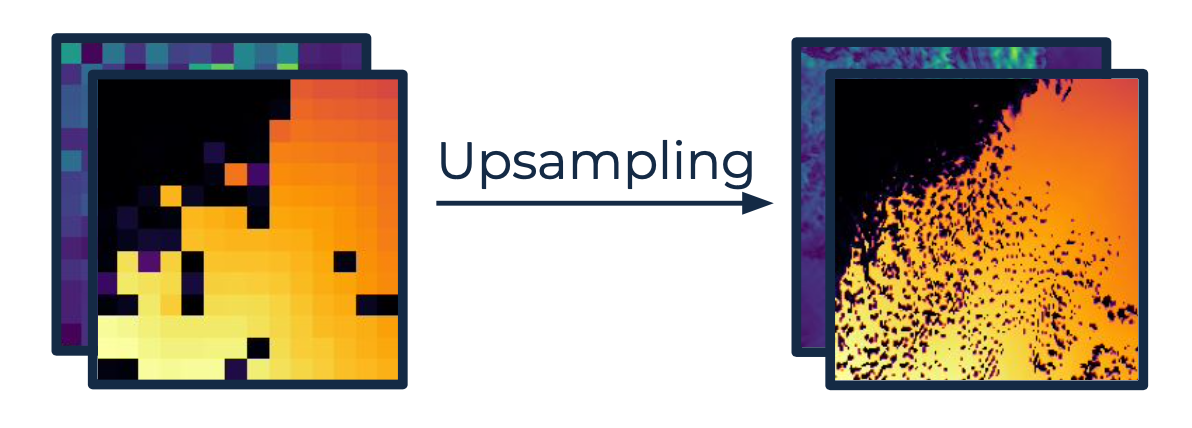
Rupa Kurinchi-Vendhan, Björn Lütjens, Ritwik Gupta, Lucien Werner, Dava Newman
An extensible benchmark of deep learning-based super-resolution techniques on wind and solar data. We accompany the benchmark with a novel public, processed, and machine learning-ready dataset for benchmarking super-resolution methods on wind and solar data.
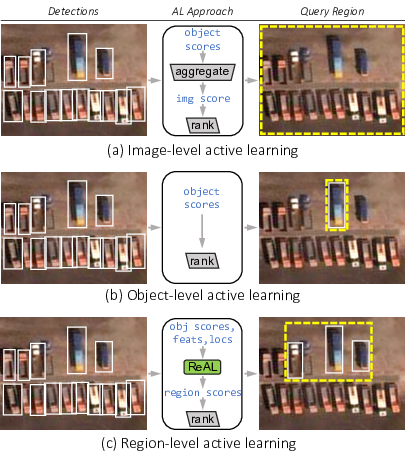
Michael Laielli, Giscard Biamby, Dian Chen, Ritwik Gupta, Adam Loeffler, Phat Dat Nguyen, Ross Luo, Trevor Darrell, Sayna Ebrahimi
A new strategy that subsumes previous Image-level and Object-level approaches into a generalized, Region-level approach.
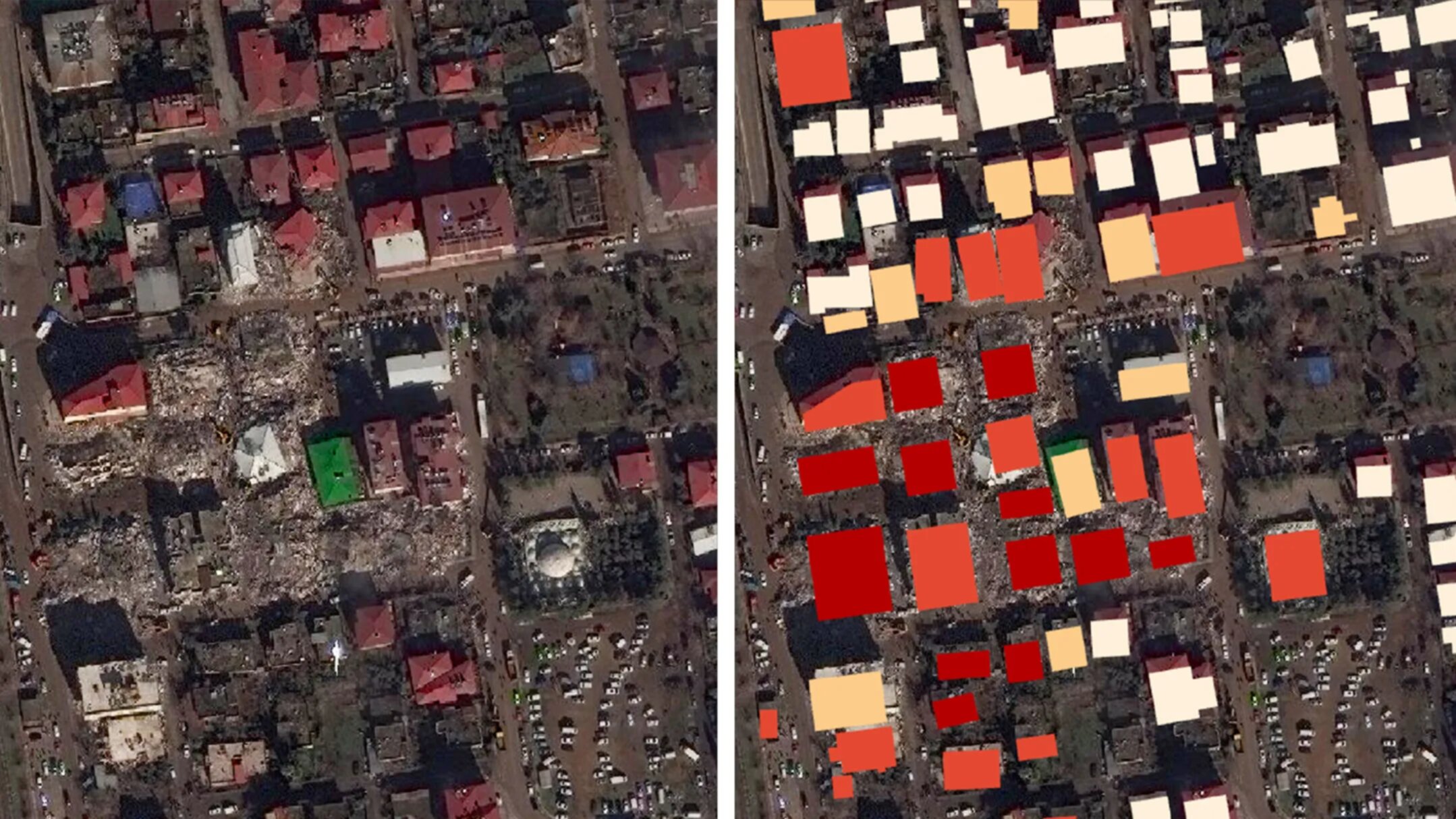
Ritwik Gupta, Richard Hosfelt, Sandra Sajeev, Nirav Patel, Bryce Goodman, Jigar Doshi, Eric Heim, Howie Choset, Matthew Gaston
The foundational dataset for assessing building damage after natural disasters from very-high resolution satellite imagery with over 850,000 annotations across 45,000 square kilometers.
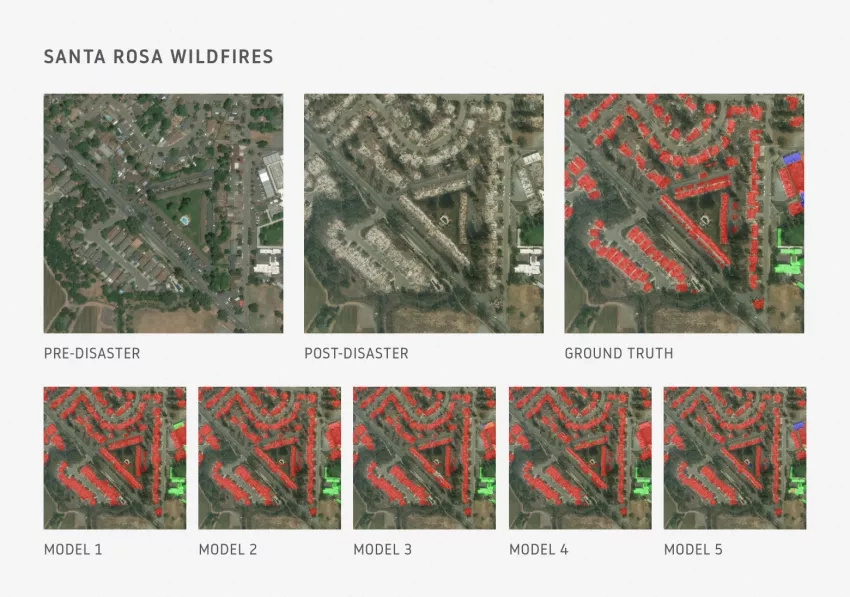
Ritwik Gupta, Bryce Goodman, Nirav Patel, Ricky Hosfelt, Sandra Sajeev, Eric Heim, Jigar Doshi, Keane Lucas, Howie Choset, Matthew Gaston
Preliminary work discussing xBD, the foundational dataset for assessing building damage after natural disasters from very-high resolution satellite imagery with over 850,000 annotations across 45,000 square kilometers.
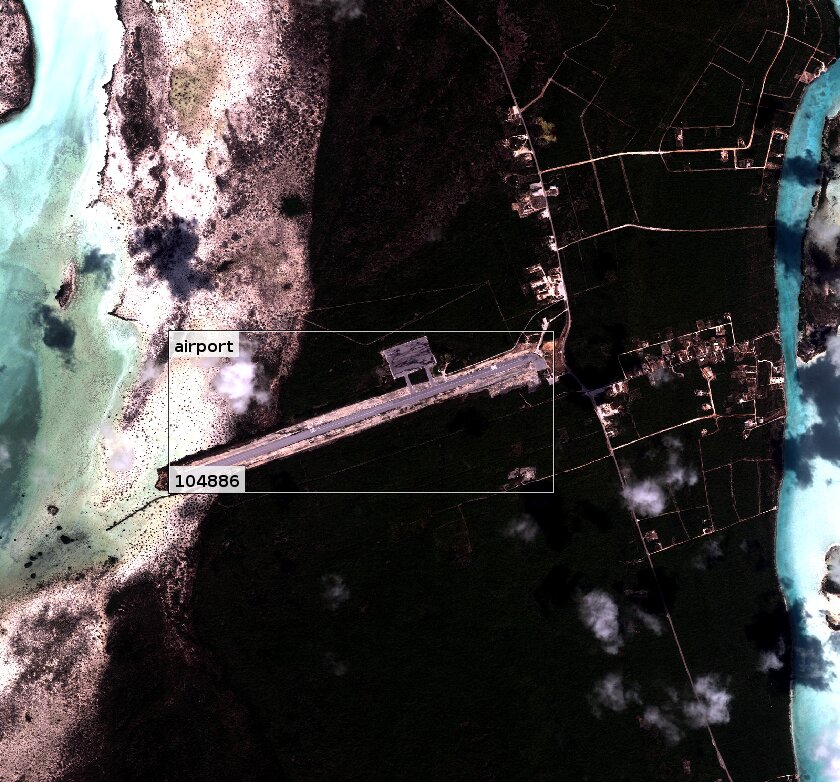
Ritwik Gupta, Carson D. Sestili, Javier A. Vazquez-Trejo, Matthew E. Gaston
Focused around the IARPA Functional Map of the World Challenge, this work discusses how to scale deep learning at an academic lab for geospatial analysis.
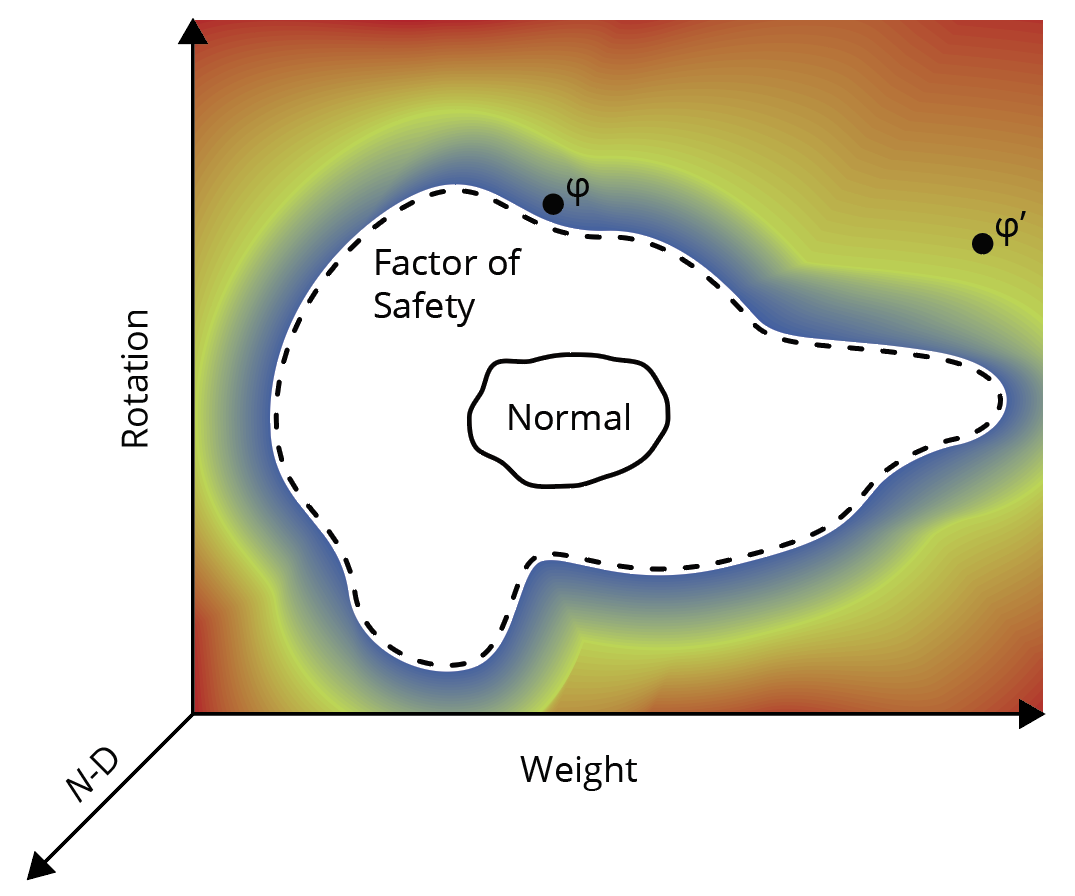
Ritwik Gupta, Zachary T. Kurtz, Sebastian Scherer, Jonathon M. Smereka
Motivated by the development of ROS 2, this work discusses open problems in the field of robotic anomaly detection and presents an inverse reinforcement learning-based approach to detecting anomalous motion.